Books
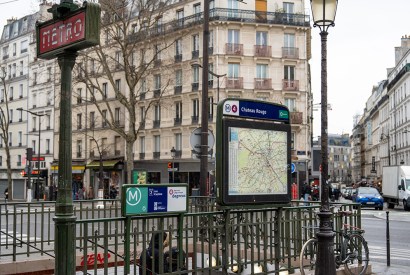
An alternative Paris: Château Rouge, by Amit Chaudhuri, reviewed
A writer, newly arrived in France on a visiting fellowship, is determined to explore the capital with fresh eyes
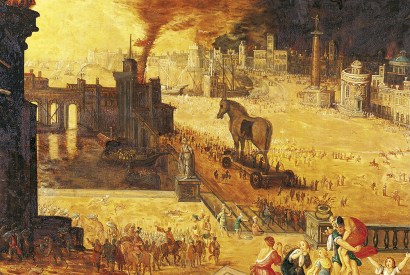
Bringing Homer into the home: how the Iliad and Odyssey became widely available
Henry Power surveys the many English translations over the centuries, from Arthur Hall’s faltering 1581 version to Alice Oswald’s mysterious Memorial of 2011
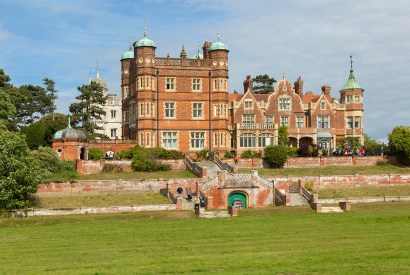
A feast of wartime espionage: the latest crime fiction
Thrillers from Jamie Lowther-Pinkerton, Sally Hepworth and Alan Judd reviewed

Terrorists with a taste for luxury: the flamboyance of the Baader-Meinhof gang
As Astrid Proll admits, the violent anti-capitalists had a weakness for expensive clothes and flashy cars - for which some of them paid the ultimate price

The past yields up its secrets: The Red Mouth, by Sheila Armstrong, reviewed
The dark power of an Irish peat bog lies at the heart of Armstrong’s story, with ancient bones revealing a mysterious, violent history
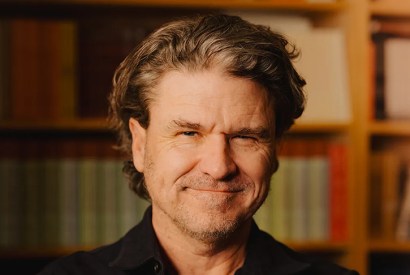
The appeal of asymmetry: Contrapposto, by Dave Eggers, reviewed
In his portrait of an incongruous friendship, Eggers explores the imbalances that constitute adult life – creativity vs commerce, talent vs discipline and solitude vs companionship
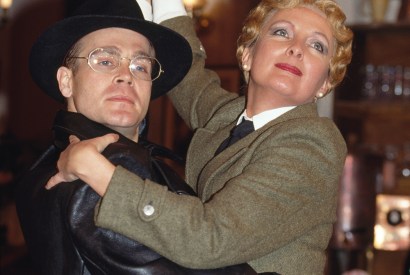
Good moaning: the subversive sitcoms of the 1980s revisited
From the sophisticated satire of Yes Minister to the irreverent farce of ’Allo ’Allo!, British comedy began to show a new inventive range
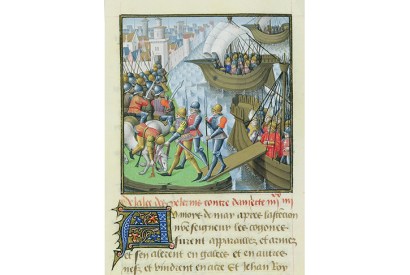
Christian soldiers in retreat – the disastrous Fifth Crusade
Instead of invading Palestine, the crusaders decided to attack Egypt instead, resulting in a long, costly siege followed by encirclement and a humiliating truce in 1221

Buckle up for the smack-downs: the media behemoth that is modern wrestling
Part sport, part soap opera, part stunt show, part Hollywood franchise, wrestling is now a billion-dollar business
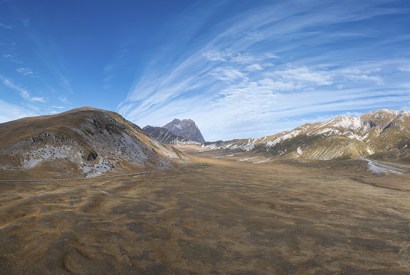
An ill-fated romance: Dark is the Morning, by Rupert Thomson, reviewed
In Italy’s rugged Abruzzo, prone to superstition and magical thinking, a doomed couple are bound together in a covenant ‘written in the stars’
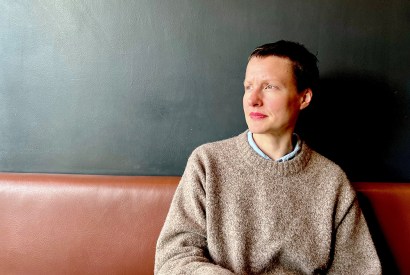
The art of betrayal: Exhibition, by Alex Hyde, reviewed
Two young women artists in the 1990s collaborate in an affectionate, creative partnership – until one appropriates the other’s work and passes it off as her own
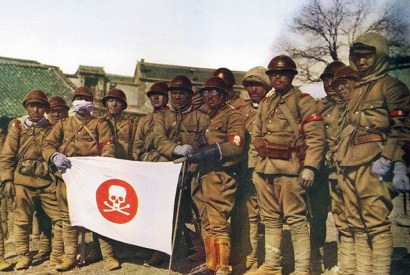
What precipitated a worldwide total war in the 1930s?
Rather than focusing on the struggle in Europe, Jonathan Fennell shows how the hopes and fears of tens of millions of people fired processes of radicalisation across the globe
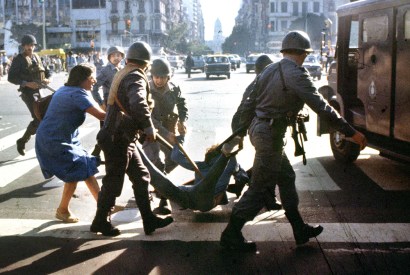
Distant shadows: Frame 37, by Nicholas Shakespeare, reviewed
The former journalist John Dyer is persuaded to investigate the death of old friend in an apparent hit-and-run. But is there a connection with Argentina’s Dirty War decades ago?

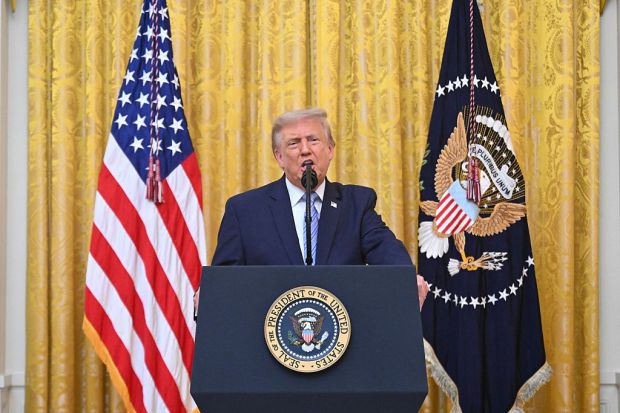
How does the Catholic J.D. Vance justify Trumpian policies?
Curiously, the President is almost invisible in Vance’s latest memoir – so perhaps the VP is attempting to distance himself, at least as far as his current job allows
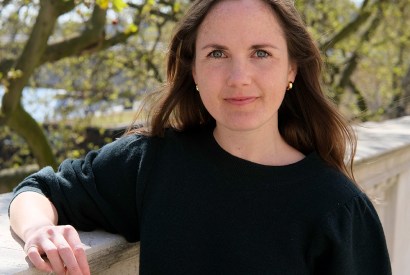
Too close for comfort: Family Friends, by Chloë Ashby, reviewed
Past secrets emerge to test the long-standing friendship of two couples on holiday together in the south of France

Southern Gothic: the horror story of Alex Murdaugh, paterfamilias and ‘family annihilator’
James Lasdun attempts to fathom what drove an apparently respectable, caring South Carolina lawyer to slaughter his wife and youngest son

Will Cuba be reborn as a Caribbean Las Vegas?
Six decades on from Castro’s revolution, all talk is now of the Yanqui dollar and how to acquire it

A century of movie magic: how cinema has changed the way we think
David Thomson examines the industry from many different viewpoints, highlighting the remarkable influence of films on our behaviour
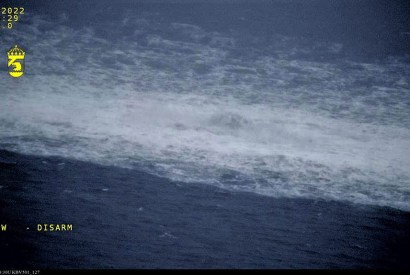
The conspiracy of silence surrounding the Nord Stream bombings
It is now clear that western intelligence agencies were fully aware of the plan and tried to stop it – then covered up what they knew for fear of an anti-Ukraine backlash
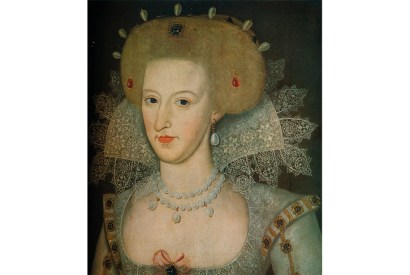
Our resentment of migrants is centuries old: the Little Englanders of the Tudor era
Hostility to ‘strangers’ from France and the Low Countries exploded in riots in 1517, when Englishmen were encouraged to ‘defend their nest’ and ‘hurt and grieve aliens for the common weale’
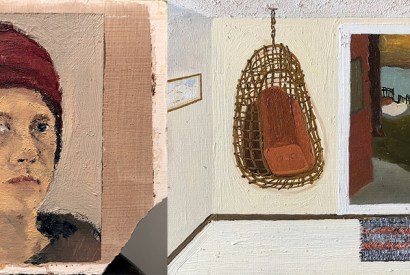
Small, skewed pictures that cast a spell: the art of Mollie Douthit
The novelist Sara Baume describes how her admiration for Douthit’s idiosyncratic oil paintings led to a strange, tentative friendship
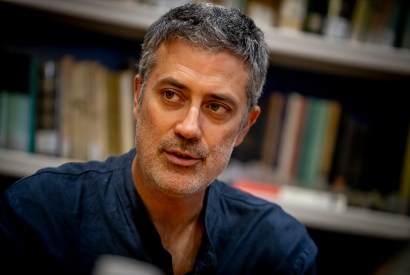
Family Tyrant: The Anniversary, by Andrea Bajani, reviewed
A middle-aged Italian contemplates his traumatic childhood, lived in constant fear of his abusive father

Disability is becoming the new normal
Longer life expectancy means that most of us will eventually qualify as disabled. But how many of Britain’s present claimants are merely suffering from ‘anxiety’?

Persistent gossip about Brian Epstein’s death risks defining his life
Must the Beatles’ manager’s extraordinary vision be forever overshadowed by unfounded rumours of a contract killing?
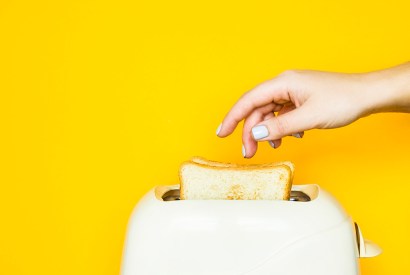
Do single women bother to cook for themselves?
Eli Davies and her spinster friends admit to a mostly ‘feral’ diet – of Kettle Chips and a satsuma, or a handful of grated cheese, or toast, washed down with vodka